Studying abroad is about more than changing your classroom
For many students, the idea of studying in Europe brings to mind new cities, unfamiliar food and the chance to travel. Those experiences can be part of the appeal, but everyday student life is what makes an international semester meaningful.
There are classes to attend, assignments to complete, budgets to manage and people to meet. There are also small moments of adjustment: figuring out public transport, getting used to a different classroom environment or learning how to work with people whose experiences are very different from your own.
For students considering an international exchange through ISBR's Global PGDM, understanding these everyday realities can help make the opportunity feel more tangible.
A different kind of independence
Moving to another country means taking responsibility for parts of daily life that may previously have been familiar or shared with family.
Students need to plan meals, manage expenses, organise their schedules and learn how local systems work. Even simple tasks, such as finding a grocery store or understanding a transport route, can take some getting used to.
Over time, these routines can become an important part of the experience. Students learn to solve small problems independently, plan ahead and become more comfortable navigating unfamiliar situations.
Accommodation arrangements will vary depending on the host university and destination, so students should confirm the available options and likely costs before travelling.
What might the classroom feel like?
Studying at a European business school can expose students to different teaching styles and academic expectations.
Depending on the course and institution, classes may involve case discussions, group projects, presentations and debates. Students may be expected to explain their reasoning, question assumptions and work collaboratively to arrive at a solution.
Working with international classmates can add another dimension to these activities. People may approach the same business problem from different perspectives, drawing on their experiences, interests and previous education.
These differences can lead to interesting discussions, but they also require students to listen carefully, communicate clearly and remain open to ideas they might not have considered themselves.
The exact academic experience will depend on the host university and courses selected. Prospective exchange students can ask ISBR and past participants about the teaching methods and classroom expectations at their intended destination.
Making friends and finding your feet
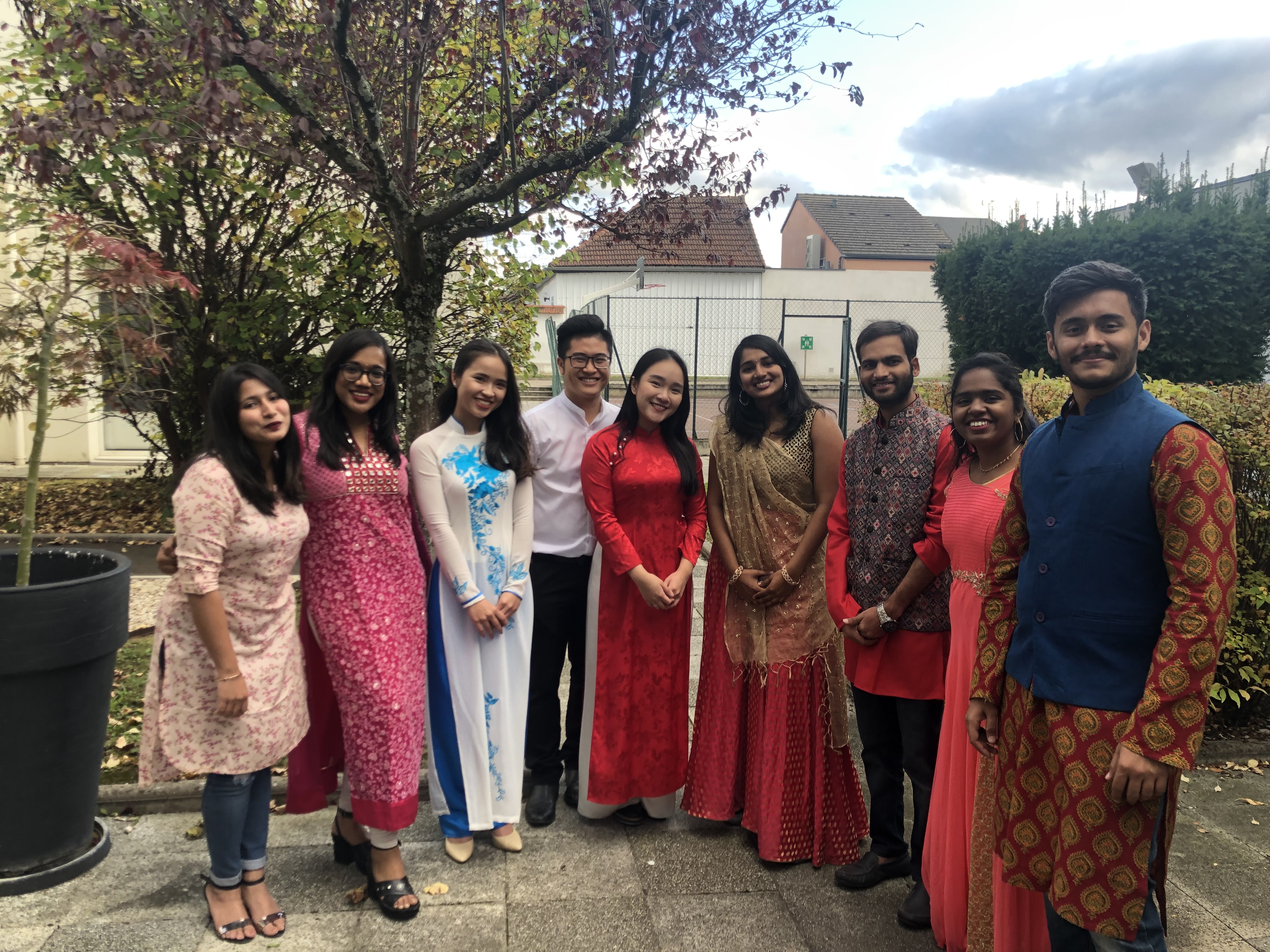
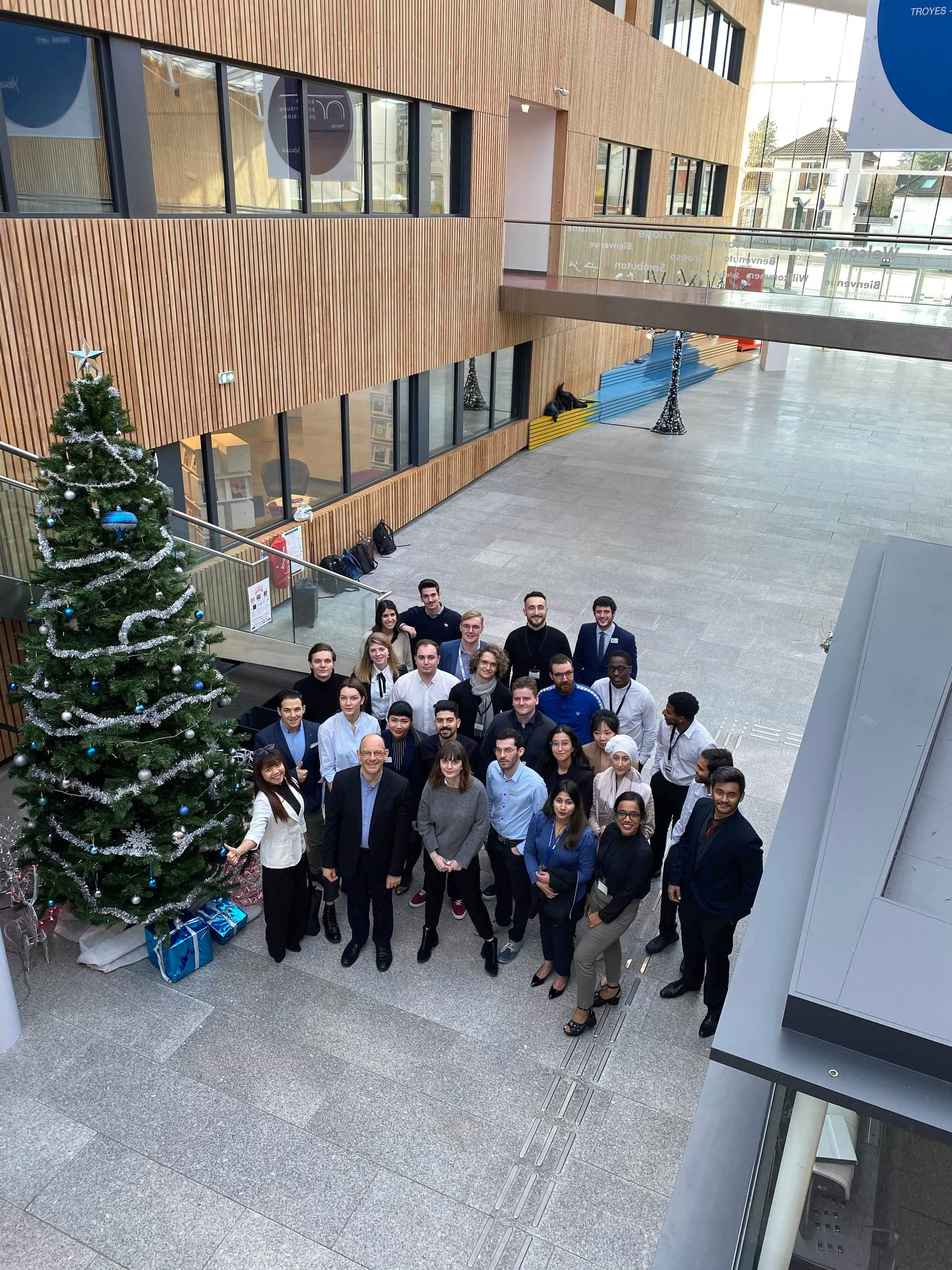
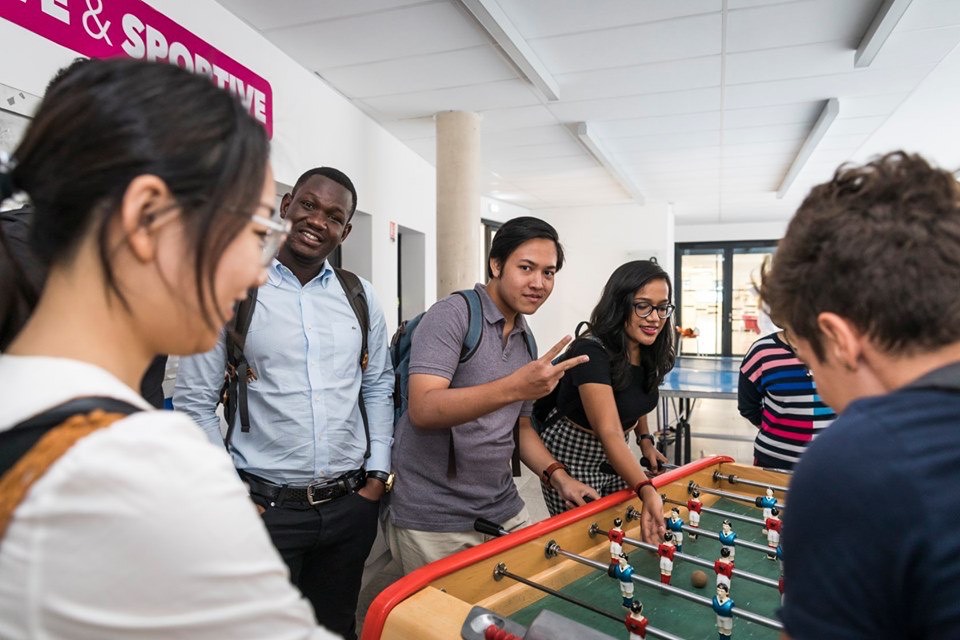
An international semester can introduce students to people from different countries and backgrounds. Some connections begin in the classroom, through group assignments or shared academic interests. Others develop through student activities, campus events and everyday conversations.
For students travelling from India, familiar routines can provide comfort while new experiences offer opportunities to try something different.
Food, language and local customs may take time to get used to. Students might find themselves learning a few local phrases, discovering new dishes or introducing their classmates to food and traditions from home.
Not every day will feel like an adventure. There may be homesickness, busy academic weeks and moments when things don't go according to plan. These are normal parts of adapting to a new environment, and having people to speak to can make the transition easier.